The Winchester Star Awards Winner - 7 Years in a row

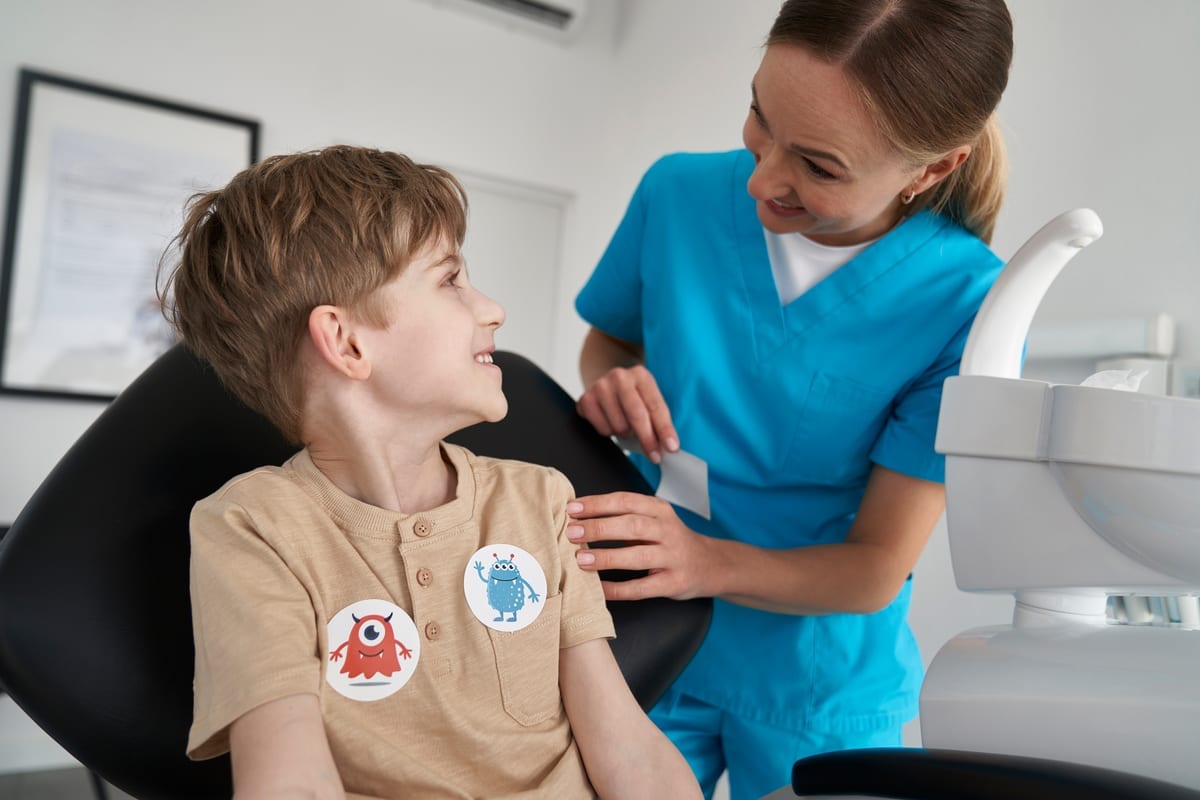
Many parents assume baby teeth are temporary and unimportant. After all, they fall out eventually — right? But understanding why your child’s baby teeth affect their smile for life in Winchester is one of the most important things a parent can learn. These small teeth do far more than help your child chew lunch. They shape speech, guide adult teeth, and build the foundation for a confident, healthy smile.
At Winchester Smiles of Virginia Family Dental Center, Dr. Niels Oestervemb works with families every day to protect these early teeth. The decisions made during childhood can influence dental health well into adulthood. That is why early education matters so much.
Baby Teeth in Winchester: Why They Are Not Temporary
Baby teeth — also called primary teeth — begin forming before birth. By age three, most children have a full set of 20 primary teeth. These teeth serve critical roles that go far beyond appearances.
Primary teeth hold space in the jaw for incoming permanent teeth. When a baby tooth is lost too early, nearby teeth can drift into that gap. This crowding can block adult teeth or push them out of alignment. The result is often more complex orthodontic treatment later in life.
Think of baby teeth as placeholders in a carefully arranged system. Each one has a job to do. Losing one prematurely can throw the entire sequence off balance. That is why dentists work hard to preserve primary teeth whenever possible.
- Baby teeth guide permanent teeth into the correct position
- They maintain proper jaw spacing during early growth
- They support healthy bone development in the jaw
- They allow natural chewing patterns to develop
- They contribute to a symmetrical facial structure
How Baby Teeth Support Speech and Learning
Many parents overlook the connection between teeth and speech. Baby teeth play a direct role in how children form sounds. Teeth help the tongue and lips create letters like S, T, D, and Z.
Children who lose front teeth too early often develop speech habits to compensate. Some develop lisps or struggle with certain sounds. These habits can become difficult to correct even after adult teeth arrive.
Speech development happens quickly during the early years. The window for natural language acquisition is relatively short. Healthy baby teeth give children the best chance to speak clearly and confidently during this critical period.
Early speech difficulties can also affect a child’s confidence at school. When children struggle to communicate, they may withdraw socially. Protecting baby teeth supports not just dental health — it supports emotional and academic development too.
Chewing, Nutrition, and the Role of Primary Teeth
Proper nutrition depends heavily on a child’s ability to chew food well. Baby teeth are the tools that make this possible. Without them, children may avoid certain healthy foods altogether.
Fruits, vegetables, and proteins all require strong chewing action. A child with damaged or missing baby teeth may struggle with these foods. Over time, this can lead to nutritional gaps that affect growth and development.
Children who experience mouth pain from decayed teeth often eat less. They may become picky eaters simply because eating hurts. Dental pain is one of the leading causes of missed school days for children in the United States.
- Healthy baby teeth allow children to chew a wide variety of foods
- Proper chewing supports digestion and nutrient absorption
- Avoiding dental pain helps children stay focused at school
- Strong chewing habits learned early carry into adulthood
At our Winchester practice, Dr. Oestervemb emphasises the link between oral health and overall wellness. A child who eats well and sleeps comfortably has a clear advantage. Healthy primary teeth make that possible.
Self-Confidence and the Emotional Impact of Healthy Baby Teeth
Children are aware of their appearance from a very young age. Damaged, discoloured, or missing front teeth can affect how a child feels about smiling. This matters more than many parents expect.
Studies show that children with visible dental problems are more likely to feel embarrassed. They may cover their mouths when laughing or avoid smiling in photos. These early feelings about appearance can shape self-image for years.
A healthy smile gives children the confidence to engage with peers and teachers. It allows them to laugh freely and communicate openly. Building that confidence early creates positive associations with dental care that last a lifetime.
As children grow, cosmetic concerns may also emerge. Services like Veneers Winchester are available for older teens and adults who want to improve the appearance of their smile. However, the best cosmetic outcome always starts with a strong foundation — and that foundation begins with baby teeth.
What Parents in Winchester Can Do Right Now
The good news is that protecting baby teeth is straightforward. It starts with simple daily habits and regular dental visits. The earlier you begin, the better the outcome for your child.
Dr. Oestervemb recommends scheduling your child’s first dental visit by their first birthday. Early visits allow the dental team to monitor tooth development and catch problems early. They also help children feel comfortable in the dental chair from a young age.
Between visits, parents play the most important role. Brushing twice daily, limiting sugary drinks, and using fluoride toothpaste all make a significant difference. Teaching children these habits early sets them up for a lifetime of good oral health.
For families interested in restoring or protecting teeth further, options like Inlays And Onlays Winchester may be discussed for appropriate cases. Our team tailors every recommendation to the individual needs of each patient. No two smiles are exactly alike.
Bringing It All Together: A Lifelong Investment
Baby teeth are not a throwaway stage of development. They are a critical investment in your child’s future health, speech, nutrition, and confidence. Every month of healthy primary teeth counts toward a better adult smile.
Winchester families trust Dr. Niels Oestervemb and the team at Winchester Smiles of Virginia Family Dental Center to guide them through every stage of their child’s dental journey. From the first tooth to the last baby tooth, we are here with education, compassion, and expert care.
Do not wait for a problem to appear before scheduling a visit. Preventive care is always more effective — and less costly — than restorative treatment. Give your child the gift of a healthy start. Book Now to schedule your appointment with our team.
Frequently Asked Questions
When should my child have their first dental visit?
The American Academy of Pediatric Dentistry recommends scheduling your child’s first dental visit by their first birthday or within six months of their first tooth appearing. Early visits help identify developmental concerns and build a positive relationship with dental care.
What happens if my child loses a baby tooth too early?
When a baby tooth is lost prematurely, neighbouring teeth can shift into the empty space. This can block the incoming permanent tooth or cause crowding and misalignment. A dentist may recommend a space maintainer to hold the gap open until the adult tooth is ready to erupt.
How can I prevent tooth decay in my child’s baby teeth?
Brush your child’s teeth twice daily with a fluoride toothpaste appropriate for their age. Limit sugary snacks and drinks, especially between meals. Schedule regular dental check-ups every six months so the dental team can apply preventive treatments like fluoride varnish and dental sealants.
Do cavities in baby teeth need to be treated?
Yes. Untreated cavities in baby teeth can spread to the surrounding teeth and even affect the developing permanent teeth beneath the gum line. They also cause pain, which can disrupt eating, sleeping, and learning. Treatment is always recommended to protect your child’s overall health.
Can baby teeth affect how my child’s adult smile looks?
Absolutely. Baby teeth guide permanent teeth into their correct positions. Early tooth loss, decay, or untreated alignment issues can lead to crooked or crowded adult teeth. Starting orthodontic evaluation early — typically around age seven — allows Dr. Oestervemb to identify and address potential issues before they become more complex.



What Our Patients Say About Us
What Our Patients Say About Us