The Winchester Star Awards Winner - 7 Years in a row


Medically reviewed by Dr. Niels Oestervemb, DDS — Smiles of Virginia Family Dental Center, Winchester, VA
“How much is a crown going to cost me?” deserves a straight answer, so here it is: in the U.S., a dental crown typically costs between $1,000 and $2,500 per tooth before insurance, with the exact number driven by material, the condition of the tooth underneath, and where you live. Here’s how that range breaks down — and how to keep your number toward the lower end of it.
Crown cost by material
- Porcelain-fused-to-metal (PFM): roughly $800–$1,800. The traditional workhorse — strong, proven, though the metal edge can eventually show as a dark line at the gum.
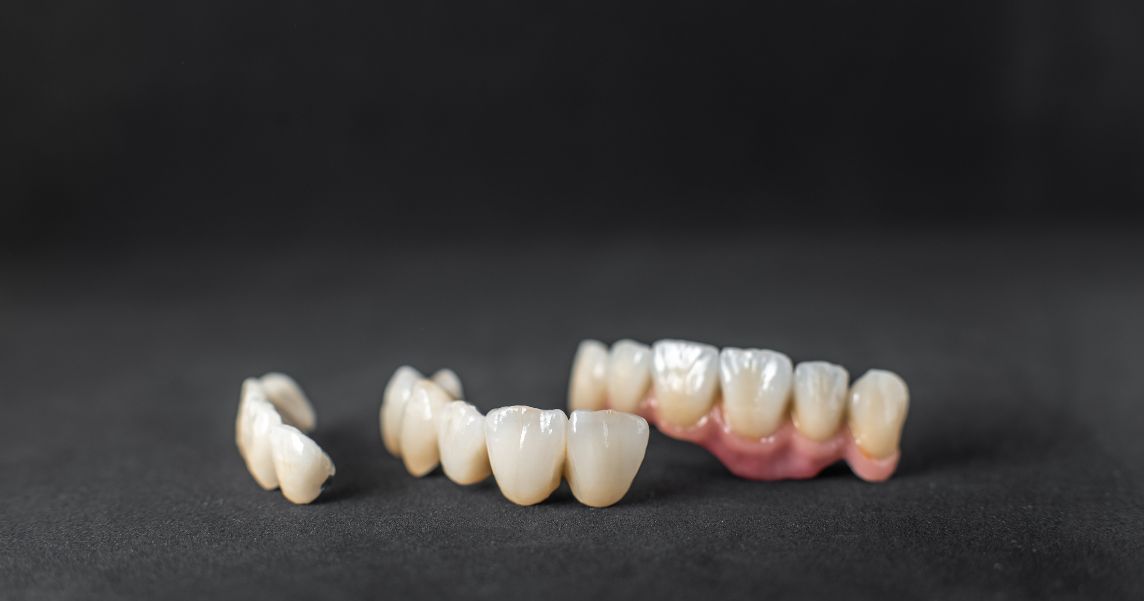
- All-ceramic / zirconia: roughly $1,000–$2,500. The modern standard for most teeth — metal-free, highly durable, and the most natural-looking option, which is why it dominates for front teeth and increasingly for molars too.
- Gold alloy: roughly $1,200–$2,500+. Exceptionally long-lasting and gentle on opposing teeth; mostly chosen for back molars where appearance doesn’t matter.
Learn more about the restoration itself on our dental crowns page.
What else can move the price
The crown is often only part of the bill. Depending on your tooth, the treatment plan may also include:
- A core build-up ($200–$500) if decay or an old filling left too little tooth to grip a crown
- A root canal first, if the nerve is infected — a separate procedure with its own fee
- Diagnostics — exam and X-rays, if you’re a new patient
A trustworthy quote itemizes all of this up front. If you’re comparing two quotes that are far apart, make sure they include the same line items — the cheaper one often simply leaves the build-up off until you’re in the chair.
What insurance actually pays
Most dental plans classify crowns as a major restorative procedure and cover about 50% after your deductible — when the crown is medically necessary (a cracked, broken-down, or root-canal-treated tooth) rather than purely cosmetic. Two catches to know:
- Annual maximums. Most plans cap benefits around $1,000–$2,000 per year, which one crown can consume.
- Waiting periods. New policies often make you wait 6–12 months before covering major work.
Our team verifies your benefits before treatment so the estimate you approve is the estimate you pay — details on our insurance information page. No dental insurance? Our Dental $avings Plan gives uninsured patients set discounts on treatment, and financing options can spread the cost into monthly payments.
Same-day crowns: one visit, no temporary
Traditionally a crown meant two visits, a goopy impression, and two weeks in a temporary. With CEREC same-day crowns, we digitally scan the tooth, design the crown, and mill it in ceramic while you wait — you leave with the permanent crown in a single appointment. The fee is comparable to a lab-made crown; what you save is time, a second numbing, and the temporary-crown stage entirely.
Why a crown is cheaper than waiting
Here’s the math that matters most: a cracked or heavily decayed tooth that needed a crown but didn’t get one usually progresses to needing a root canal plus a crown — or an extraction followed by an implant, at several times the cost. A crown placed at the right time is the least expensive version of that tooth’s future.
Want a real number for your tooth instead of a range? Schedule an exam at our Winchester office — we’ll show you exactly what’s going on, walk you through the options, and give you a written, itemized estimate before anything happens.