The Winchester Star Awards Winner - 7 Years in a row


Starting full-mouth restoration can feel overwhelming. Many Winchester patients come to us with the same worries, doubts, and curiosity before they commit to treatment. At Winchester Smiles of Virginia Family Dental Center, Dr. Niels Oestervemb hears these questions every day. Understanding what to expect makes the entire process far less stressful. This guide addresses the top questions patients ask before starting treatment in Winchester so you can move forward with confidence.
Question 1: What Exactly Is Full-Mouth Restoration?
Full-mouth restoration combines multiple dental procedures to rebuild or replace all teeth in the mouth. It is not a single treatment — it is a customized plan designed around your unique needs. Your plan may include crowns, bridges, implants, or other restorative solutions.
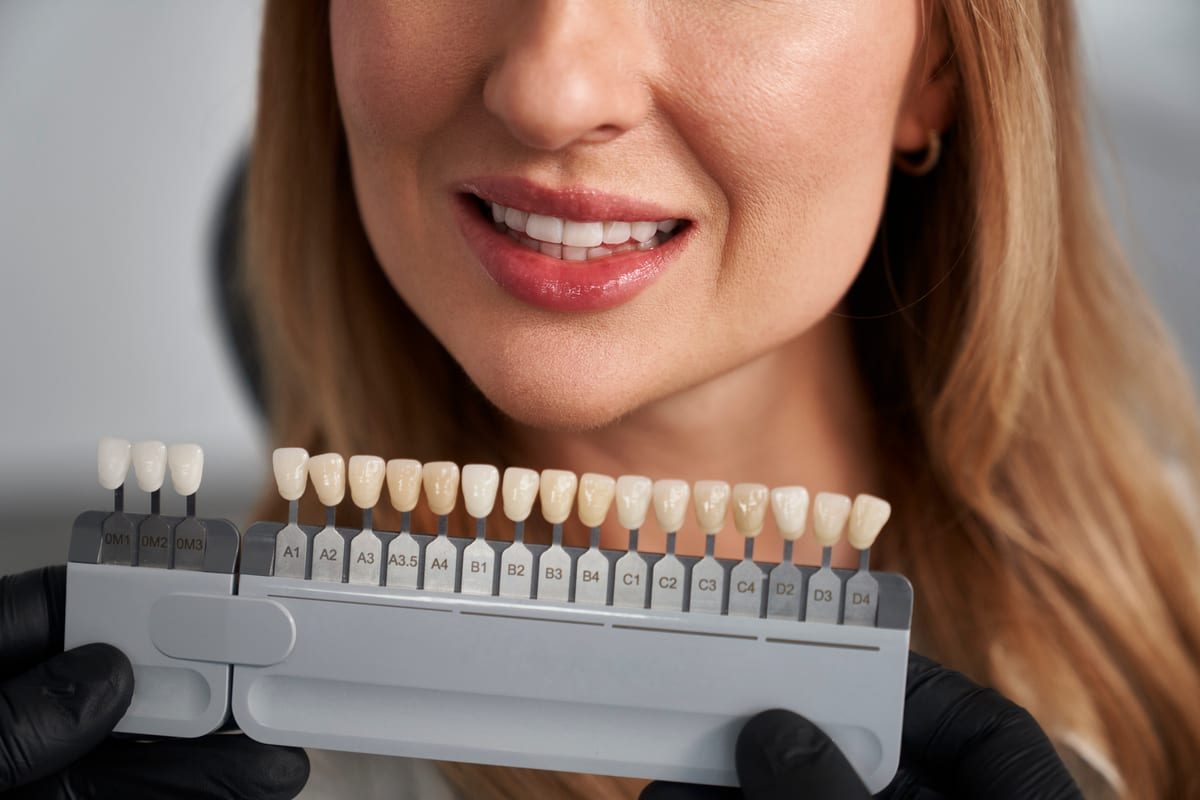
Some patients also need cosmetic improvements as part of their plan. Options like Veneers can enhance the appearance of restored teeth dramatically. Dr. Oestervemb evaluates your oral health fully before recommending any combination of treatments.
The goal is always to restore function, comfort, and a natural-looking smile. Every plan at our Winchester practice is tailored to the individual patient’s needs and goals.
Question 2: Am I a Good Candidate for This Treatment in Winchester?
This is one of the most common questions patients ask before starting treatment. Good candidates typically have multiple dental issues affecting function or aesthetics. These may include missing teeth, severely worn enamel, extensive decay, or bite problems.
Dr. Oestervemb conducts a thorough examination before making any recommendations. He reviews your dental and medical history carefully. X-rays and digital imaging help him assess bone density and gum health.
Patients with gum disease or bone loss may need preparatory treatment first. Addressing those foundational issues ensures that restorations last as long as possible. Most adults with significant dental concerns are strong candidates once underlying conditions are managed.
- Multiple missing or severely damaged teeth
- Chronic jaw pain or bite misalignment
- Extensive decay affecting several teeth
- Worn enamel from grinding or acid erosion
- Loss of confidence due to dental appearance
Question 3: What Does the Treatment Process Look Like?
Patients consistently want to know what they are signing up for before they begin. Full-mouth restoration is a phased process that unfolds over several appointments. Dr. Oestervemb builds a detailed treatment timeline specific to your case.
The process typically follows a structured sequence. Here is what most Winchester patients experience:
- Comprehensive exam and consultation — Dr. Oestervemb assesses your full oral health and discusses your goals.
- Preparatory treatments — This may include extractions, gum therapy, or bone grafting if needed.
- Restorative phase — Crowns, implants, bridges, or treatments like Inlays And Onlays are placed strategically.
- Cosmetic refinements — Final aesthetic touches are applied to complete your smile transformation.
- Follow-up care — Regular check-ins ensure everything heals and functions properly.
Each phase is paced thoughtfully to protect your comfort. Some patients complete treatment in a few months. Others with more complex needs may take longer, and that is completely normal.
Question 4: Will Treatment Be Painful or Uncomfortable?
Fear of pain is one of the biggest reasons patients delay dental care. We hear this concern constantly at our Winchester practice. Dr. Oestervemb prioritizes patient comfort throughout every step of treatment.
Modern dental anesthesia makes most procedures very manageable. You will feel pressure during some procedures, but sharp pain is carefully avoided. Many patients are surprised by how comfortable they feel during and after appointments.
For patients with dental anxiety, we discuss comfort options before we begin. Knowing what to expect removes much of the fear associated with lengthy procedures. Our team moves at a pace that respects your comfort level at all times.
Post-procedure soreness is normal and typically mild. Over-the-counter pain relievers usually manage any discomfort effectively. Most patients return to normal routines within a day or two after each phase.
Question 5: How Long Will My Results Last?
This is one of the most practical questions patients ask before starting treatment. Patients want to know their investment will stand the test of time. The longevity of full-mouth restoration depends on several key factors.
Here are the primary factors that influence how long your results last:
- Oral hygiene habits — Brushing twice daily and flossing protects restorations significantly.
- Regular dental visits — Routine cleanings and checkups catch problems early.
- Diet and lifestyle choices — Avoiding hard foods and teeth grinding preserves your work.
- Quality of materials used — High-quality materials used at our Winchester practice are built to last.
- Following post-care instructions — Adhering to Dr. Oestervemb’s guidance extends the life of your restoration.
Dental implants can last decades with proper care. Crowns and bridges typically last 10 to 15 years or longer. Cosmetic elements like veneers also have excellent longevity when maintained well.
Dr. Oestervemb designs every restoration with durability in mind. He uses proven materials and precise techniques to maximize the lifespan of your results. Winchester patients who follow their care plans consistently enjoy long-lasting, beautiful smiles.
Taking the Next Step Toward Your Restored Smile
Full-mouth restoration is a life-changing decision for many of our Winchester patients. Understanding the process, candidacy, and expectations makes that decision much easier. Dr. Niels Oestervemb and the entire team at Winchester Smiles of Virginia Family Dental Center are here to guide you every step of the way.
You deserve a smile that functions well and looks great. Asking the right questions before starting treatment shows that you are making a thoughtful, informed choice. We welcome every question — no matter how small it may seem.
If you are ready to explore your options, our team is here to help. Book Now to schedule your appointment with our team.
Frequently Asked Questions
How do I know if I need full-mouth restoration or just a few fillings?
A comprehensive exam with Dr. Oestervemb will clarify exactly what you need. Full-mouth restoration is typically recommended when multiple teeth are significantly damaged, missing, or affecting your bite. Minor isolated issues are usually handled with simpler, targeted treatments. A consultation is the best way to determine the right approach for your specific situation.
How long does the full-mouth restoration process take in Winchester?
Treatment length varies depending on the complexity of your case. Some patients complete their restoration in three to six months. Others with more extensive needs may take a year or longer. Dr. Oestervemb provides a clear timeline estimate during your initial consultation so you always know what to expect.
Will my restored teeth look natural?
Yes — modern dental materials are designed to closely mimic natural tooth color and texture. Dr. Oestervemb carefully matches shades and shapes to blend seamlessly with your existing teeth or complement your desired outcome. Most patients report that their friends and family cannot tell the difference between natural and restored teeth.
Can I eat normally after full-mouth restoration?
Most patients enjoy a much wider range of foods after treatment than before. During the healing phases, Dr. Oestervemb may recommend softer foods temporarily. Once restorations are fully healed and secure, most patients return to eating normally. Avoiding extremely hard or sticky foods helps protect your results long-term.
Is full-mouth restoration only for older adults?
Not at all. Full-mouth restoration is appropriate for adults of any age who have experienced significant dental damage, decay, or tooth loss. Younger adults affected by injury, grinding, or untreated decay can benefit just as much as older patients. Dr. Oestervemb evaluates each patient individually to determine the most appropriate treatment plan.


What Our Patients Say About Us
What Our Patients Say About Us