The Winchester Star Awards Winner - 7 Years in a row

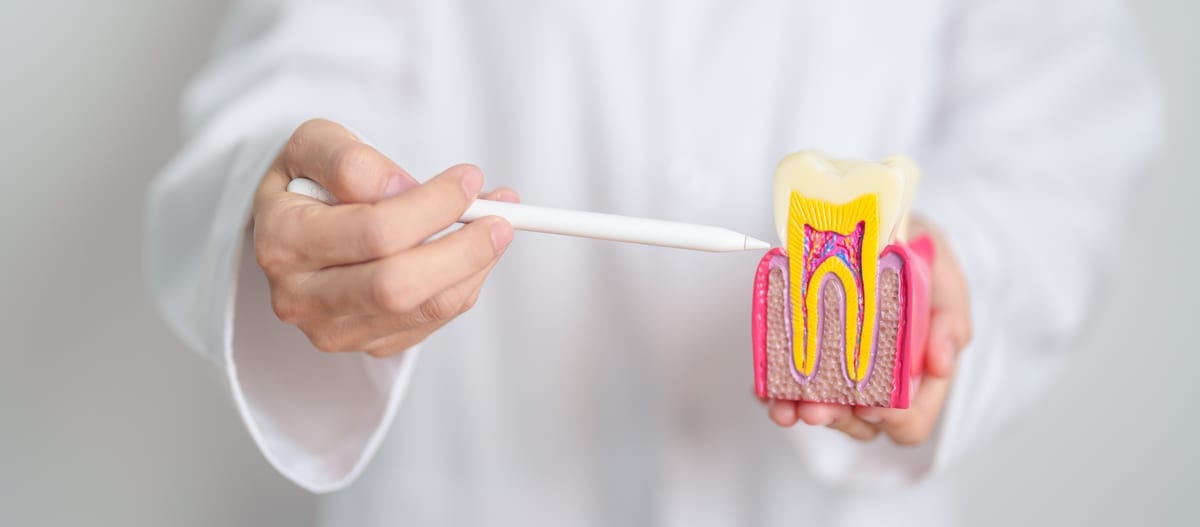
Many Winchester patients feel relief after a root canal is finished. The pain is gone, and the infection is treated. But here’s something important to understand: why your root canal isn’t complete without a crown in Winchester matters more than most people realize. Skipping the crown puts your treated tooth at serious risk.
At Winchester Smiles of Virginia Family Dental Center, Dr. Niels Oestervemb guides every patient through the full treatment process. A root canal is only step one. The crown is what makes your tooth strong, functional, and protected for the long term.
What Happens to a Tooth After a Root Canal in Winchester
During a root canal, Dr. Oestervemb removes the infected pulp from inside the tooth. This pulp contains nerves and blood vessels. Once removed, the tooth no longer receives nutrients from inside.
Without that internal supply, the tooth becomes brittle over time. Think of it like a dried-out piece of wood — it can crack under pressure. Everyday chewing creates more stress on this weakened structure than most patients expect.
The tooth also has an access hole from the procedure itself. That opening must be sealed properly. A temporary filling helps short-term, but it does not provide lasting protection.
Why Skipping the Crown Creates Serious Problems
Patients sometimes delay the crown appointment after their root canal. This is one of the most common mistakes we see in Winchester dental care. The risks of going without a crown are very real.
Here is what can happen when a treated tooth goes unprotected:
- Tooth fracture — Brittle teeth crack easily under biting pressure
- Re-infection — Bacteria can re-enter through a failing temporary seal
- Tooth loss — A cracked or re-infected tooth may need extraction
- Shifting teeth — A lost tooth causes neighboring teeth to drift
- Increased cost — Fixing a cracked or lost tooth costs far more than a crown
A cracked root-canal-treated tooth often cannot be saved. Extraction becomes the only option. That leads to a more complex and costly treatment path, including implants or bridges.
Understanding why your root canal isn’t complete without a crown in Winchester helps patients make smarter decisions about their follow-up care. Protecting the investment you already made is simply the right move.
What the Crown Appointment Actually Involves
Many patients feel anxious about the crown appointment. Dr. Oestervemb and the team at Smiles of Virginia work hard to make this visit comfortable and clear. Knowing what to expect helps ease that anxiety.
Here is a step-by-step overview of what happens during your crown appointment:
- Tooth preparation — Dr. Oestervemb shapes the remaining tooth structure to support a crown
- Impressions or digital scans — Precise measurements ensure a custom-fit crown
- Temporary crown placement — A temporary crown protects the tooth while your permanent one is made
- Permanent crown placement — Your custom crown is bonded securely at your next visit
- Bite check and adjustments — Dr. Oestervemb ensures your bite feels natural and comfortable
The entire process typically involves two appointments. Most patients find it far more comfortable than they expected. The tooth is already numb from nerve removal, so sensitivity is usually minimal.
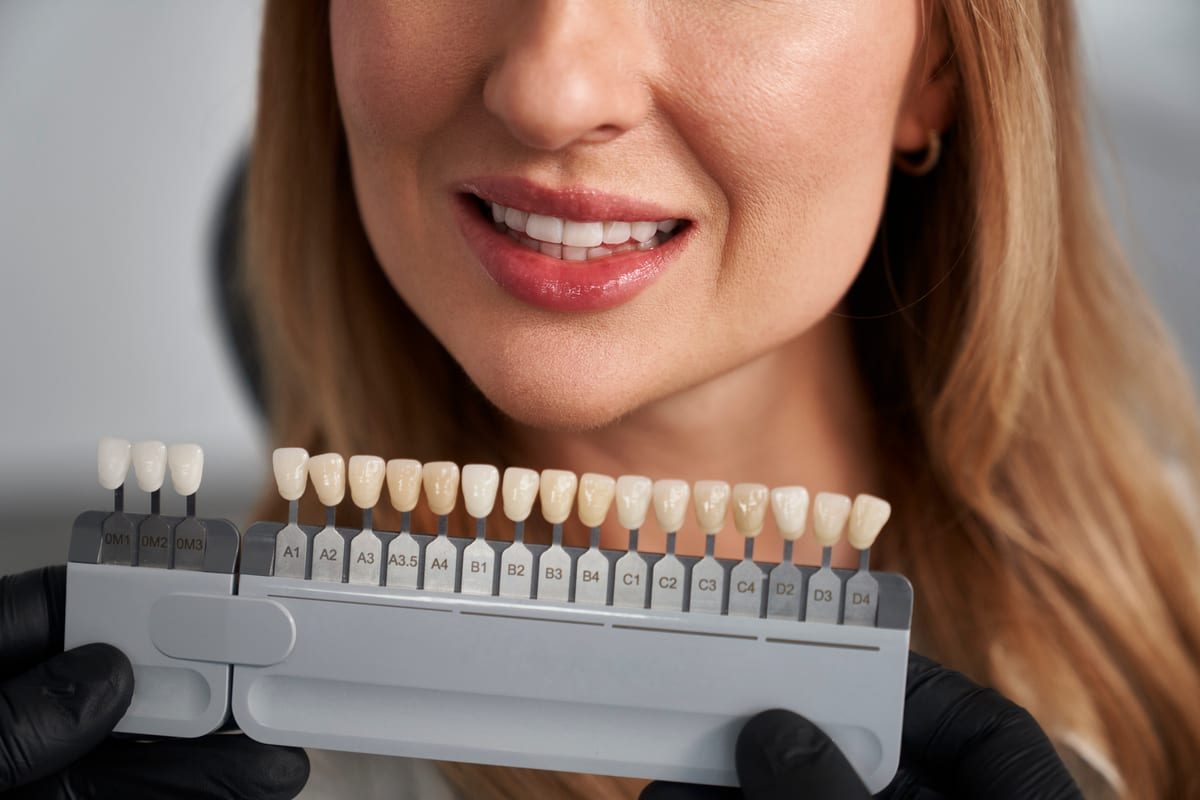
Crowns are custom-made to match the shape and color of your natural teeth. Most people cannot tell the difference between a crown and a natural tooth. Function and appearance are both fully restored.
What Crown Materials Work Best for Back Teeth
The type of crown Dr. Oestervemb recommends depends on the tooth’s location and function. Back teeth handle the heaviest chewing forces in your mouth. They need durable, strong materials.
Porcelain-fused-to-metal and full-ceramic crowns are both excellent options. Full-ceramic crowns offer a natural appearance. They work well for both front and back teeth in most cases.
For patients who also have cosmetic goals, it helps to understand how crowns compare to other restorations. Veneers are a popular cosmetic option for front teeth, but they are not suitable for root-canal-treated back teeth needing full coverage. Another option worth knowing about for partially damaged teeth is Inlays And Onlays, which restore teeth with moderate damage that does not require full crown coverage.
Dr. Oestervemb will discuss every option with you. The goal is always to find the best solution for your specific tooth, bite, and long-term oral health.
How Long Does a Crown Last After a Root Canal
A well-placed crown on a root-canal-treated tooth can last 10 to 15 years or longer. Proper care significantly extends that lifespan. Good habits protect both the crown and the surrounding teeth.
Here are the key habits that help your crown last:
- Brush twice daily with a soft-bristle toothbrush
- Floss carefully around the crown margin each day
- Avoid chewing ice, hard candy, or other very hard foods
- Wear a night guard if you grind your teeth during sleep
- Visit Dr. Oestervemb for regular checkups and cleanings
Crowns can chip or loosen over time. Catching small issues early prevents bigger problems. Regular visits to Winchester Smiles of Virginia Family Dental Center make a real difference in longevity.
If your crown ever feels loose, uncomfortable, or different when you bite, contact our team right away. Early attention keeps your restored tooth functioning for many more years.
Your Next Step Toward a Fully Restored Smile in Winchester
A root canal saves your natural tooth. A crown is what completes that saving. Together, they restore full strength, function, and appearance to a tooth that was once seriously damaged or infected.
Dr. Niels Oestervemb and the entire team at Winchester Smiles of Virginia Family Dental Center are here to guide you through every step. From the root canal itself to the final crown placement, you will always know what to expect. Our team serves Winchester, VA patients with education, care, and genuine concern for your long-term health.
Do not leave your root canal unfinished. Your treated tooth deserves complete protection. Book Now to schedule your appointment with our team.
Frequently Asked Questions
How soon after a root canal should I get a crown?
Dr. Oestervemb generally recommends scheduling your crown appointment within a few weeks of completing your root canal. The temporary filling used after the procedure is not designed for long-term protection. Waiting too long increases the risk of fracture or re-infection in the treated tooth.
Does getting a crown after a root canal hurt?
Most patients find the crown appointment very comfortable. Because the nerve has already been removed during the root canal, the tooth itself has little to no sensitivity. Dr. Oestervemb uses local anesthesia during the preparation step to keep you fully comfortable throughout the visit.
Can any tooth restored with a root canal skip the crown?
In rare cases, front teeth with minimal structural damage may be restored without a full crown. However, this is uncommon, and Dr. Oestervemb evaluates each tooth individually. Back teeth that handle chewing forces almost always require a crown for adequate protection and long-term function.
What happens if my crown comes loose or breaks?
Contact Winchester Smiles of Virginia Family Dental Center as soon as possible if your crown feels loose or becomes damaged. A loose crown exposes the underlying tooth to bacteria and fracture risk. Dr. Oestervemb can typically re-cement or replace a crown quickly to restore full protection.
Is a crown the same as a cap for a tooth?
Yes, the terms crown and cap refer to the same dental restoration. A crown is a custom-made covering that fits over the entire visible portion of a tooth. It restores the tooth’s shape, strength, and appearance after a root canal or significant damage.


What Our Patients Say About Us
What Our Patients Say About Us