The Winchester Star Awards Winner - 7 Years in a row


A sinus lift is one of those procedures that sounds more intimidating than it typically is — but that doesn’t mean preparation doesn’t matter. Quite the opposite. How you show up to this surgery, both mentally and physically, has a real effect on how smoothly it goes and how quickly you recover afterward.
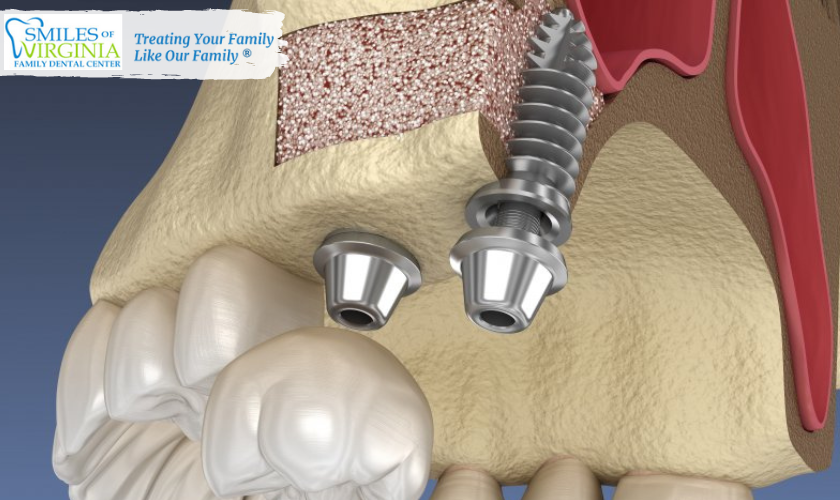
The procedure involves augmenting the bone in your upper jaw, just beneath the maxillary sinus floor, to provide sufficient structural volume for a dental implant. It’s a well-established oral surgery technique with a strong clinical track record. A 2016 systematic review in the International Journal of Oral and Maxillofacial Implants found sinus lift surgeries to have implant survival rates exceeding 95% when performed under appropriate conditions. Good outcomes don’t happen by accident, though — they’re shaped in part by what you do before you walk into the office.
For patients scheduled for a sinus lift procedure in Winchester, the team at Smiles of Virginia takes preparation seriously. Here’s a practical, honest guide to getting yourself ready.
Start With the Right Information, Not Just Reassurance
Anxiety before a surgical procedure is completely normal. What tends to make it worse, though, is vague or incomplete information. If you don’t fully understand what’s going to happen, your mind will fill in the gaps, and that’s usually not helpful.
Our dental team will walk you through the procedure step by step before your appointment. What type of anesthesia or sedation will be used? How long does the procedure typically take? What will you feel during recovery, and for how long? What are the signs that healing is going well versus a signal to call the office?
These aren’t excessive questions — they’re exactly the kind of information that helps patients feel grounded rather than anxious. A provider who takes time to answer them thoroughly is one worth trusting. Write your questions down before your pre-op appointment so you don’t forget them in the moment.
Physical Preparation Starts Weeks Before Surgery
The physical side of preparation is more involved than most people expect, and it’s worth taking it seriously. Your body’s baseline condition going into surgery influences how well it heals afterward.
Review Your Medications and Supplements
Certain medications and supplements affect bleeding, immune response, and bone metabolism — all of which matter in a sinus lift. Your dental team will ask for a full medication and supplement list during your pre-op consultation, but here’s what to be particularly upfront about:
- Blood thinners: Warfarin, aspirin, clopidogrel, and newer anticoagulants may need to be paused before surgery. Never stop a prescribed blood thinner on your own — this requires coordination between your dental provider and the prescribing physician.
- NSAIDs: Ibuprofen and naproxen can increase bleeding risk. Your provider may ask you to switch to acetaminophen in the days leading up to surgery.
- Herbal supplements: Fish oil, vitamin E, ginkgo biloba, garlic supplements, and St. John’s Wort are among the supplements known to affect bleeding or healing. Discontinue these at least one to two weeks before the procedure, unless your provider advises otherwise.
- Bisphosphonates: If you take bisphosphonate medications for osteoporosis or bone density issues, your provider needs to know. These drugs can affect bone healing and require specific pre-surgical planning.
Take Your Sinus and Respiratory Health Seriously
This one is specific to a sinus lift and is often underestimated. The sinus lift procedure works in close proximity to your maxillary sinuses, and a respiratory infection, active allergies, or sinus congestion at the time of surgery can complicate the procedure and recovery. If you’re prone to seasonal allergies — and those of you in the Shenandoah Valley region know that spring and fall pollen seasons can be significant — talk to your provider about scheduling around peak allergy periods or managing symptoms proactively beforehand.
If you come down with a cold, sinus infection, or upper respiratory illness in the two weeks before your procedure, contact the office immediately. In most cases, it’s safer to reschedule than to proceed with an active infection.
Stop Smoking and Reduce Alcohol Well Before Surgery
The evidence on smoking and surgical healing is consistent and clear. Nicotine constricts blood vessels, reducing blood flow to healing tissue and significantly increasing the risk of graft failure. A study published in Implant Dentistry found that smokers had substantially higher complication rates following sinus augmentation procedures compared to non-smokers. If you smoke, stopping at least two weeks before surgery — and ideally longer — makes a meaningful difference.
Alcohol in the 48 hours before surgery is also best avoided. It can interact with anesthesia and certain medications, and it contributes to dehydration, which slows tissue repair.
Prioritize Nutrition and Hydration in the Days Before
Your body needs adequate nutrients to heal. In the week or two leading up to surgery, focus on protein-rich foods (eggs, lean meats, legumes, dairy), vitamin C sources (citrus, bell peppers, broccoli), and foods with zinc (pumpkin seeds, beef, chickpeas). These nutrients support tissue regeneration and immune function. Staying well-hydrated during this period is equally important — aim for water as your primary beverage and cut back on caffeine, which is mildly dehydrating.
On the day of surgery, follow our dentist’s fasting instructions precisely. If sedation is involved, you’ll typically be asked not to eat or drink anything (including water) for several hours beforehand.
Prepare Your Home for a Comfortable Recovery
Recovery from a sinus lift typically involves several days of reduced activity and some swelling, tenderness, and congestion. Setting up your home in advance means you won’t have to manage logistics when you’re not at your best.
- Stock up on soft foods: smoothies, yogurt, scrambled eggs, mashed potatoes, soup, and applesauce. Nothing hard, chewy, or requiring significant chewing pressure.
- Have a cold compress ready. Applying it to your cheek in 20-minute intervals during the first 24 to 48 hours helps reduce swelling.
- Arrange extra pillows. Keeping your head slightly elevated, even while sleeping, helps manage swelling and reduce sinus pressure.
- Fill your prescriptions before the procedure. Your provider will typically prescribe an antibiotic and a pain medication in advance. Pick these up ahead of time so you don’t have to make a pharmacy trip post-surgery.
- Arrange transportation. You won’t be able to drive after sedation. Have someone lined up to take you home and, ideally, check in on you for the first day.
Mental Preparation: What Actually Helps
Anxiety before oral surgery is common — and it’s worth addressing directly rather than hoping it will pass. The most effective mental preparation tends to be practical rather than philosophical.
Knowing exactly what to expect, as described above, removes much of the fear of the unknown. Beyond that, some patients find it helpful to have a plan for managing anxiety the morning of surgery: a calm routine, a familiar playlist during the drive, or a trusted person accompanying them to the appointment. Sedation options can also take the edge off if you tend toward dental anxiety. Ask your provider what’s available.
It also helps to keep the larger goal in mind. A sinus lift is a preparatory step toward a dental implant, which is itself a long-term investment in your oral health, bite function, and quality of life. Framing the procedure in that context — as something that’s moving you toward something you want — makes a difference for many patients.
Preparation isn’t about eliminating every worry — it’s about giving yourself the best possible foundation for a smooth procedure and a straightforward recovery. The more prepared you are going in, the less you’ll have to manage on the other side.
Contact Winchester Smiles of Virginia Family Dental Center today to schedule your consultation.
People Also Ask
How much pain should I expect during recovery from a sinus lift?
Most patients describe the discomfort as manageable, similar to the soreness after a tooth extraction rather than severe pain. Swelling, pressure, and mild congestion are more common complaints than acute pain. Prescription pain medication is typically provided for the first few days, and most patients transition to over-the-counter options within 48 to 72 hours. If pain is severe or worsening rather than improving after the first few days, that’s worth reporting to your provider.
Can I exercise in the days leading up to a sinus lift?
Light activity is generally fine in the days before surgery, but your provider may recommend avoiding intense cardiovascular exercise for 24 to 48 hours beforehand. After surgery, you’ll need to avoid strenuous physical activity for at least one to two weeks. Elevated heart rate and blood pressure can increase bleeding and swelling at the surgical site, and nose-blowing or nasal congestion from exertion can disrupt the graft. Always confirm the specific timeline with your provider.
Is it safe to use a nasal decongestant spray before or after a sinus lift?
Your provider may actually prescribe a nasal decongestant or saline spray as part of your post-operative protocol to keep the sinus passages clear and reduce pressure on the surgical site. Over-the-counter sprays should only be used with explicit provider guidance, since some can cause rebound congestion with extended use. Don’t start any nasal spray on your own without checking first.
What happens if I sneeze during recovery?
This is one of the most common questions after a sinus lift, and it’s a valid one. Sneezing increases pressure inside the sinuses, which can potentially displace the bone graft material if it happens in the early days after surgery. Your provider will give you specific instructions on how to sneeze safely — typically with your mouth open and with minimal force. Avoid blowing your nose entirely for the period specified by your provider, usually at least one to two weeks.
How long before I can get the dental implant after a sinus lift?
The waiting period between a sinus lift and implant placement depends on the amount of bone graft placed and how well it integrates. In cases where a smaller graft was used and initial bone density is good, implant placement may happen concurrently or within a few months. For larger augmentations, a healing period of six to nine months is more typical, allowing the grafted bone to fully consolidate before an implant is placed. Your provider will assess readiness through follow-up imaging.