The Winchester Star Awards Winner - 7 Years in a row

Maintaining a healthy, radiant smile is essential for both appearance and overall well-being. While regular brushing and flossing are key, many people wonder whether mouthwash can also help improve their smile. At Smiles of Virginia, we believe that mouthwash can be a helpful addition to your oral care routine. But how effective is it really in improving your smile? Let’s dive deeper into the benefits and how mouthwash works in your oral health.
Why Should You Use Mouthwash?
Mouthwash isn’t just about freshening your breath. While that’s certainly one of its benefits, mouthwash can serve multiple purposes in improving your smile. Here’s how:
- Fights Germs and Plaque: Mouthwash is designed to kill bacteria that brushing alone might miss. Plaque buildup on your teeth can lead to cavities, gum disease, and bad breath. A good mouthwash can help reduce plaque formation, keeping your gums healthy and your smile bright.
- Reduces Gum Inflammation: Some mouthwashes contain antiseptic properties that help reduce gum inflammation. If you’ve noticed redness or bleeding when brushing or flossing, a therapeutic mouthwash might help soothe your gums and promote healing.
- Whitens Teeth: Many mouthwashes today are formulated with ingredients that help whiten teeth. These can help reduce surface stains caused by coffee, tea, or tobacco use. While mouthwash alone might not give you a Hollywood smile, it can certainly support your efforts in maintaining a whiter, brighter appearance.
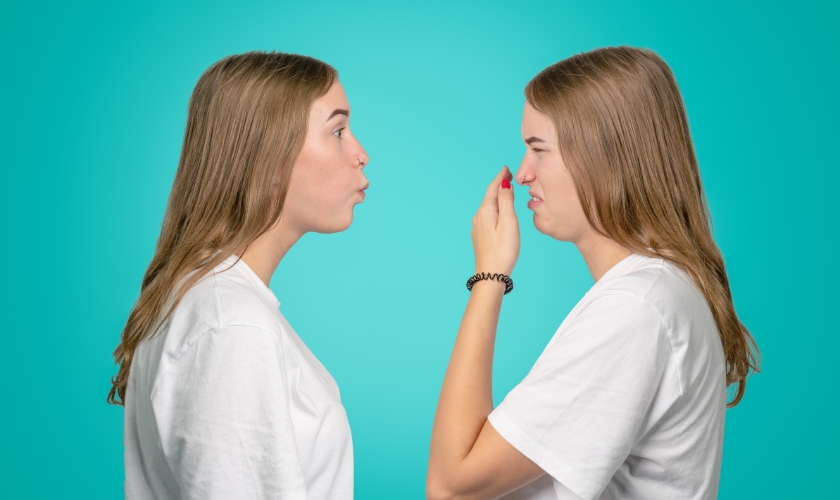
- Prevents Bad Breath: One of the primary reasons people reach for mouthwash is to fight bad breath. Many types of mouthwash contain compounds such as menthol or eucalyptol that temporarily mask bad breath. A good rinse can freshen your breath and make you feel more confident in social situations.
How Mouthwash Works to Improve Your Smile
The right mouthwash can do more than freshen your breath. Only a trusted dentist in Winchester can educate you on the ingredients that a good mouthwash should contain. can help maintain your oral health and enhance your smile. Let’s break it down:
- Fluoride Mouthwash: These mouthwashes are designed to strengthen tooth enamel and protect against cavities. Fluoride helps remineralize teeth, making them more resistant to decay and improving overall tooth health. This is especially helpful for individuals with sensitive teeth or those prone to cavities.
- Antiseptic Mouthwash: This type of mouthwash is primarily used for reducing bacteria in the mouth. It can be very effective at preventing gum disease by killing harmful bacteria and preventing plaque buildup. If you’re looking for ways to improve the health of your gums and teeth, an antiseptic mouthwash can be a great option.
- Whitening Mouthwash: These are designed to reduce surface stains and maintain a brighter smile. While they can’t replace a professional whitening treatment, they can complement your efforts and maintain your teeth’s whiteness between dental cleanings.
Is Mouthwash a Substitute for Brushing?
No, mouthwash should never be used as a replacement for brushing and flossing. While mouthwash can complement your oral hygiene routine, it cannot replace your toothbrush. Brushing your teeth twice a day and flossing daily are still the best ways to remove plaque, food particles, and bacteria that can contribute to oral issues. Mouthwash, when used correctly, is simply an addition to your oral health routine.
Choosing the Right Mouthwash for Your Smile
Not all mouthwashes are created equal. Choosing the right one depends on your specific needs. Here’s a quick guide to help you decide:
- For Fresh Breath: If you’re primarily looking to freshen your breath, look for mouthwashes that contain menthol or other strong flavors that provide long-lasting freshness.
- For Tooth Protection: If you’re concerned about cavities, choose a fluoride mouthwash that strengthens your enamel and helps protect your teeth from decay.
- For Gum Health: Antiseptic mouthwashes containing ingredients such as chlorhexidine or alcohol are effective at targeting bacteria that cause gum disease and inflammation.
- For Whitening: If you want to brighten your smile, choose a whitening mouthwash with hydrogen peroxide or other whitening agents.
How Often Should You Use Mouthwash?
It’s important to follow the instructions on your mouthwash bottle, as overuse can lead to potential issues such as dry mouth or irritation. Most mouthwashes are safe to use up to twice a day. Using mouthwash after brushing and flossing can enhance your oral hygiene routine and help you maintain a clean, fresh mouth.
When to See a Dentist in Winchester
While mouthwash can be an effective part of your daily routine, it’s important to remember that it’s only one part of maintaining a healthy smile. Regular check-ups with a dentist in Winchester are essential to catch any underlying issues early and keep your smile looking its best. Whether you’re looking for a routine cleaning or more advanced dental procedures, regular visits ensure you stay on top of your oral health.
Mouthwash can be a helpful tool in your oral care routine, but nothing beats regular visits to your dentist in Winchester for comprehensive care. If you’re looking to improve your smile or have questions about the best mouthwash for your needs, Smiles of Virginia is here to help.
Call us today at (540) 450-2100 to schedule your appointment for better oral health. Our team is ready to help you achieve a smile that you’re proud of.
People Also Ask
1. Can mouthwash replace flossing?
No, mouthwash cannot replace flossing. While it helps kill bacteria and reduce plaque, it does not remove the food particles and plaque between your teeth that flossing does.
2. Is mouthwash safe for daily use?
Most mouthwashes are safe for daily use, but it’s important to choose one that fits your needs. Always follow the instructions and consult your dentist if you have concerns.
3. Can mouthwash whiten teeth?
Whitening mouthwashes can help reduce surface stains and maintain a bright smile, but they won’t provide the same results as professional whitening treatments.
4. How long should I rinse with mouthwash?
Typically, you should swish mouthwash in your mouth for 30 seconds to one minute. Avoid swallowing it, and refrain from eating or drinking for 30 minutes afterward for the best results.