The Winchester Star Awards Winner - 7 Years in a row

Dry socket is the complication everyone warns you about after a tooth extraction — and almost nobody explains properly. Here’s the honest, useful version: what it actually is, exactly how to prevent it (this part is very doable), what it looks and feels like if it happens anyway, and how fast treatment brings relief. Spoiler on that last one: faster than the internet’s horror stories suggest.
What dry socket actually is
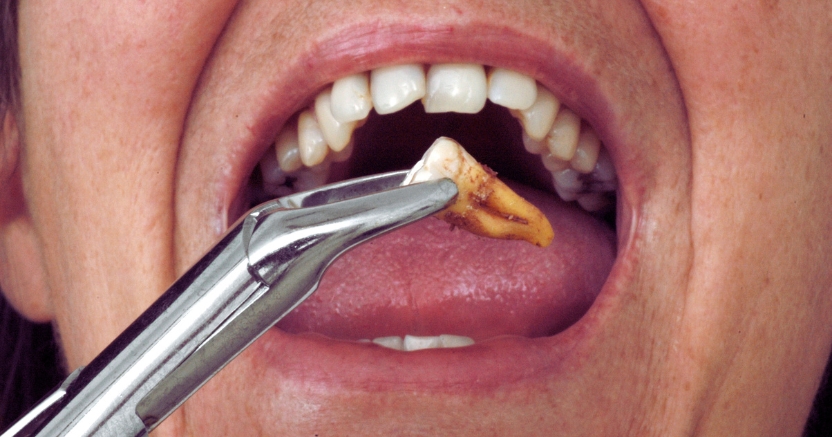
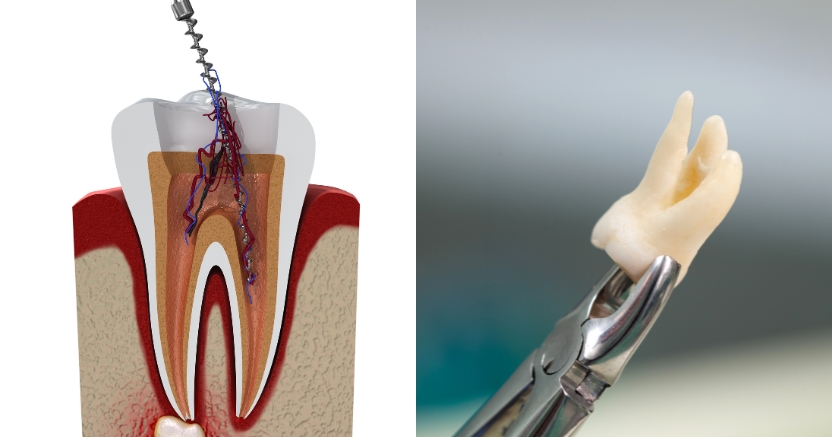
After an extraction, your body seals the empty socket with a blood clot — nature’s bandage, protecting the bone and nerve endings underneath while new tissue grows in. Dry socket (the clinical name is alveolar osteitis) is what happens when that clot dislodges or dissolves too early, usually two to four days after the extraction, leaving bone and nerves exposed. It occurs in a small minority of extractions — more often with lower wisdom teeth — and while it’s genuinely painful, it is not dangerous and it is very treatable.
How to prevent dry socket
Prevention is mostly about protecting that clot for the first 72 hours. The rules, in order of importance: No smoking or vaping — this is the single biggest risk factor, both from the sucking motion and from nicotine’s effect on healing; 72 hours minimum, longer is better. No straws — the suction can pull the clot right out; drink from the glass. No spitting or vigorous rinsing for the first 24 hours; after that, gentle salt-water rinses (let the water fall out rather than spitting). Soft foods, chewed on the other side for a few days — no chips, popcorn, nuts, or anything that can burrow into the site. Skip alcohol for 48–72 hours, including alcohol-based mouthwash. And follow your written aftercare instructions — we give them to every extraction patient for exactly this reason. Worth knowing: birth control pills slightly raise the risk (estrogen affects clot stability), so scheduling and extra caution matter a little more if that applies to you.
What dry socket looks and feels like
Three signs, usually arriving together on day two to four: the pain changes character — instead of steadily improving, it intensifies into a throbbing ache that often radiates up toward your ear or temple on the same side, and regular pain relievers barely touch it. The socket looks empty — where there should be a dark clot, you may see a whitish or grayish base (that’s exposed bone). And there’s often a bad taste or odor from the site. The timing is the tell: normal extraction discomfort peaks in the first 48 hours and then improves. Pain that gets worse on day three is your cue to call, not to wait it out.
How long does dry socket last?
Untreated, the exposed socket typically stays painful for seven to ten days while it slowly heals on its own — which is a miserable week you don’t need to have. Treated, most patients feel dramatic relief within hours of the first visit and are comfortable within a few days. There is no prize for toughing it out.
How it’s treated
Treatment is quick and simple: we gently rinse the socket clean, place a soothing medicated dressing over the exposed bone (relief is often immediate), and manage the pain properly while healing restarts. The dressing may be changed once or twice over the following days. What we’d ask you not to do is pack the socket yourself with home remedies — clove oil on a cotton ball is the internet’s favorite, and while clove oil’s numbing effect is real, DIY packing can introduce infection or debris. Call us instead; a dry socket visit is one of the fastest, most gratifying appointments in dentistry.
When to call us
Any extraction pain that’s worsening after day two, a visibly empty socket, or pain radiating to your ear — call, same day. This applies whether we did the extraction or someone else did; nobody here will make you feel bad about it, ever. And if you’re heading into a wisdom tooth extraction and want the full recovery picture, our wisdom teeth recovery guide covers the whole timeline — with a proper exam beforehand so your extraction plan fits your mouth, not a template.

What Our Patients Say About Us
What Our Patients Say About Us